
A dislocated thumb can be a painful and frustrating injury that affects many everyday activities, from opening jars and buttoning clothes to typing, lifting and gripping objects. While having the joint put back into place is an important first step, rehabilitation is often the key to restoring full function and preventing ongoing problems
Many people assume that once the thumb is relocated, recovery is complete. However, pain, stiffness and weakness can remain long after the injury, making it difficult to return to normal activities. This is where hand therapy can play an important role
Why Does a Thumb Dislocation Matter?
A thumb dislocation can be a painful and frustrating injury that affects many everyday activities, from opening jars and buttoning clothes to typing, lifting and gripping objects. While having the joint put back into place is an important first step, rehabilitation is often the key to restoring full function and preventing ongoing problems
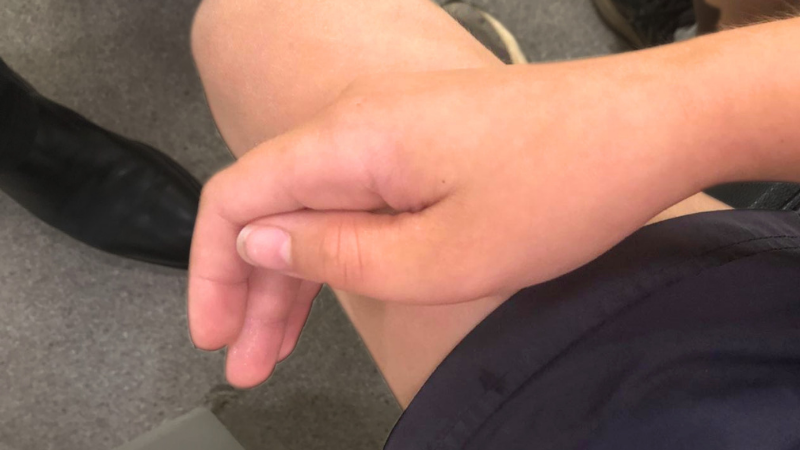
In some cases, the injury may also involve damage to the supporting ligaments around the joint. Even after the thumb has healed, symptoms can linger if not properly addressed.
What Happens After a Thumb Dislocation?
Initial treatment usually focuses on relocating the joint and protecting it while damaged tissues heal. Your doctor or specialist may recommend a splint or brace for a period to allow the thumb to recover safely.
While protection is important, prolonged immobilisation can sometimes result in joint stiffness, weakness and reduced movement. As healing progresses, rehabilitation becomes an important part of restoring strength, mobility and function.
The goal is not simply to get the thumb moving again. It’s to ensure the thumb is strong, stable and capable of coping with the demands of everyday life.
How Can a Hand Therapist Help?
Hand therapists specialise in treating injuries of the hand and upper limb. After a thumb dislocation, they can assess your injury and develop a personalised rehabilitation plan based on your symptoms, lifestyle and recovery goals.
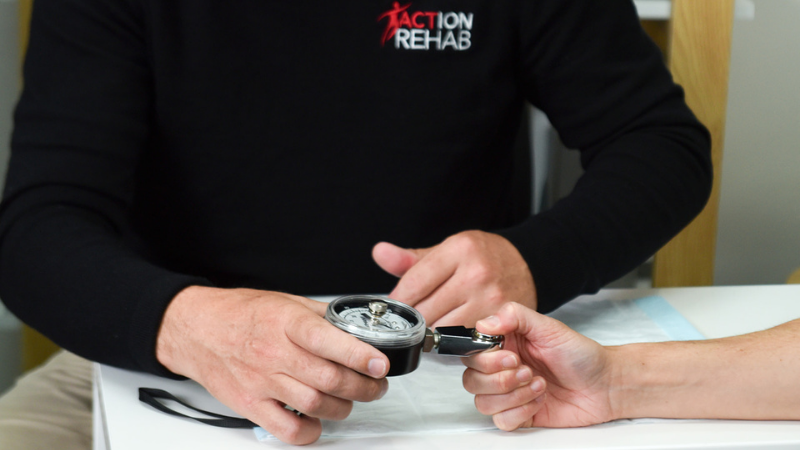
Treatment may include:
- Custom splinting to protect healing structures
- Pain and swelling management
- Exercises to restore thumb movement
- Progressive strengthening to improve grip and pinch strength
- Activity-specific guidance for work, sport and everyday tasks
Hand therapists can also help identify problems such as joint instability, excessive stiffness or delayed recovery, allowing these issues to be addressed early.
Rather than relying on a “one-size-fits-all” approach, treatment is tailored to your individual needs and adjusted as healing progresses.
When Should You Seek Hand Therapy?
The earlier rehabilitation begins, the better the opportunity to restore movement, strength and function.
You may benefit from seeing a hand therapist if you have:
- Ongoing pain or swelling
- Stiffness in the thumb
- Reduced grip or pinch strength
- Feelings of instability
- Difficulty returning to work, sport or daily activities
Even if your thumb is healing well, an assessment can provide reassurance that your recovery is on track and help minimise the risk of future issues.
Don't Let a Thumb Dislocation Slow You Down
Many people are surprised by how much a thumb injury can affect their independence and daily function. Tasks that once seemed simple can become frustrating and uncomfortable.
Without appropriate rehabilitation, stiffness, weakness and instability can persist for longer than necessary and may increase the risk of ongoing problems or re-injury.
At The Hands Physio, our experienced hand therapists provide expert assessment, custom splinting and personalised rehabilitation programs designed to help you recover as quickly and safely as possible. Whether your goal is returning to work, getting back on the sporting field or simply performing everyday tasks without pain, we can help guide your recovery.
If you’ve recently dislocated your thumb, or you’re still experiencing pain, weakness or stiffness after an injury, don’t wait for symptoms to become long-term problems.
Book an appointment with our team today and take the next step towards a stronger, more confident recovery.
References
Orthobullets. (2024). MCP dislocations – hand. Orthobullets. https://www.orthobullets.com/hand/6115/mcp-dislocations
Skirven, T. M., Osterman, A. L., Fedorczyk, J., & Amadio, P. C. (2011). Rehabilitation of the hand and upper extremity, 2-volume set E-book: expert consult. Elsevier Health Sciences.
Wollstein R, Michael D, Harel H. Postoperative Therapy for Chronic Thumb Carpometacarpal (CMC) Joint Dislocation. American Journal of Occupational Therapy. 2016;70(1):124-128. doi:10.5014/ajot.2016.017210

Tatyana Babic
Tatyana Babic is an Occupational Therapist with experience in hand and upper‑limb rehabilitation. She enjoys supporting people through their recovery and tailoring therapy to their daily activities. Tatyana works at Action Rehab in Drummoyne and Strathfield and speaks English and Serbian.
Tags : action rehabdislocated thumbdislocated thumb treatmenthand therapyhand therapy Sydneyhow hand therapy helps after thumb dislocationthumb dislocationthumb dislocation hand therapythumb injurythumb pain after dislocationwhat to do after a dislocated thumbwhy is my thumb stiff after dislocation
Comments are closed
Recent Posts
- Dislocated Your Thumb? How Hand Therapy Can Help You Recover Faster
- Preventing and Treating Finger Injuries in Basketball: What You Need to Know
- Holiday Survival Guide for Parents: Preventing Hand Injuries While Still Letting Kids Have Fun
- Your Guide to Keeping Your Hands Safe from Mishaps This Christmas
- Is Watching Sports Supposed to Hurt This Much? 7 Ways Watching Sports Can Send You to a Hand Therapist
Recent Comments
No comments to show.