
Post-operative recovery is about far more than healing a surgical incision.
Recovering from hand surgery involves more than allowing tissues to heal. Whether you’ve had tendon repair, fracture surgery, carpal tunnel release, ligament reconstruction or another hand procedure, appropriate rehabilitation can help restore movement, function and confidence. Hand therapy provides education, splinting, wound care and guided rehabilitation throughout recovery.
Bridging the Gap Between Surgery and Recovery
Surgeons and GPs play an essential role in diagnosis and treatment, but appointments are often understandably brief. Hand therapists bridge the gap between surgery and recovery, helping patients understand what to expect, why certain precautions matter, and how to safely progress through rehabilitation.
We work closely with surgeons, GPs, and other members of the treating team to ensure rehabilitation aligns with surgical protocols and healing timelines. This collaborative approach allows us to clarify restrictions, monitor progress, identify concerns early, and help patients move confidently through each stage of recovery.
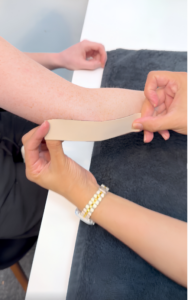
Wound Care, Dressings and Splinting
Our role often begins shortly after surgery.
At Action Rehab The Hands Physio, we assess wound healing, provide education on post-operative precautions, manage pain and swelling, and fabricate custom thermoplastic splints designed to protect the surgical repair while supporting recovery.
We can also provide post-operative wound care, remove sutures when appropriate, and select and apply suitable dressings to promote optimal healing.
Regular reviews allow us to monitor for signs of infection, delayed healing, or other concerns that may require communication with the surgeon or GP.
Restoring Movement and Function
A key part of post-operative hand therapy is knowing when and how to introduce movement safely.
Hand therapists are well-versed in surgical rehabilitation protocols and tissue healing timeframes. We understand when a tendon, ligament, nerve, or fracture is ready to progress and when additional protection is required. This allows us to gradually restore movement at the right pace, balancing protection of the surgical repair with the need to prevent stiffness and loss of function.
Through exercise prescription, splint adjustments, scar management, and oedema control, we guide patients through each stage of recovery with confidence.
By progressing rehabilitation according to both healing timelines and individual patient factors, we can help facilitate a smoother recovery, optimise functional outcomes, and support a safe return to work, sport, and everyday activities.
Gradual Strengthening and Return to Everyday Activities
Recovery does not end once movement has returned.
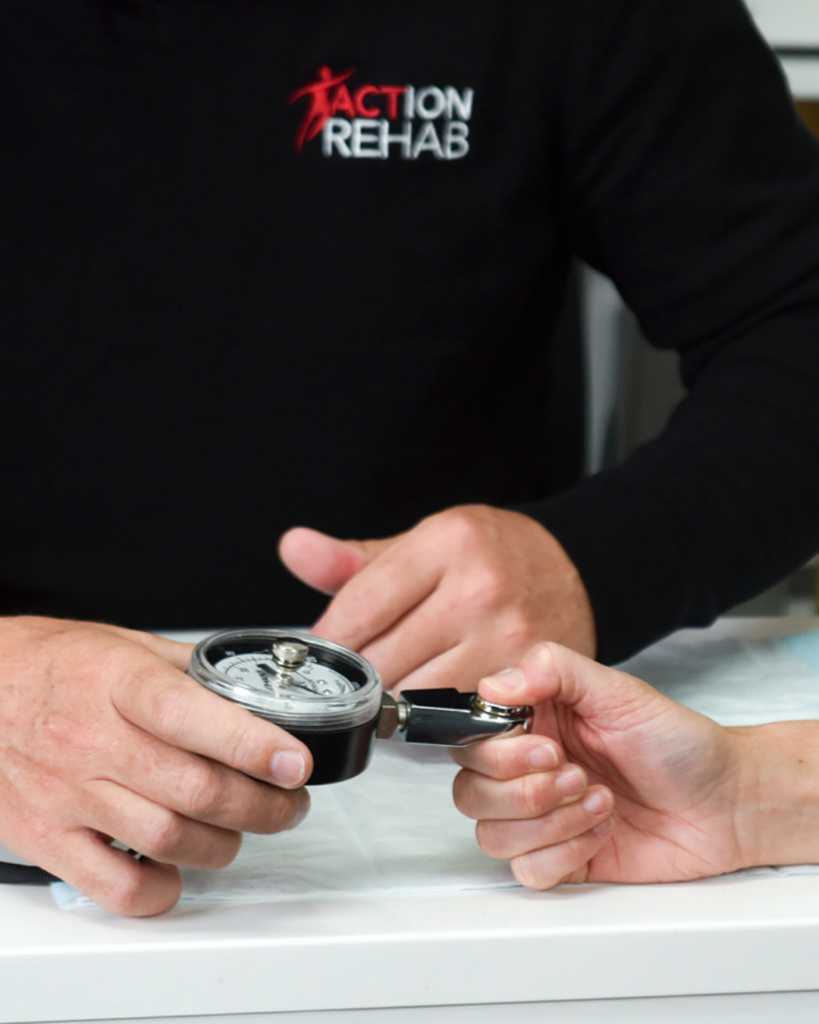
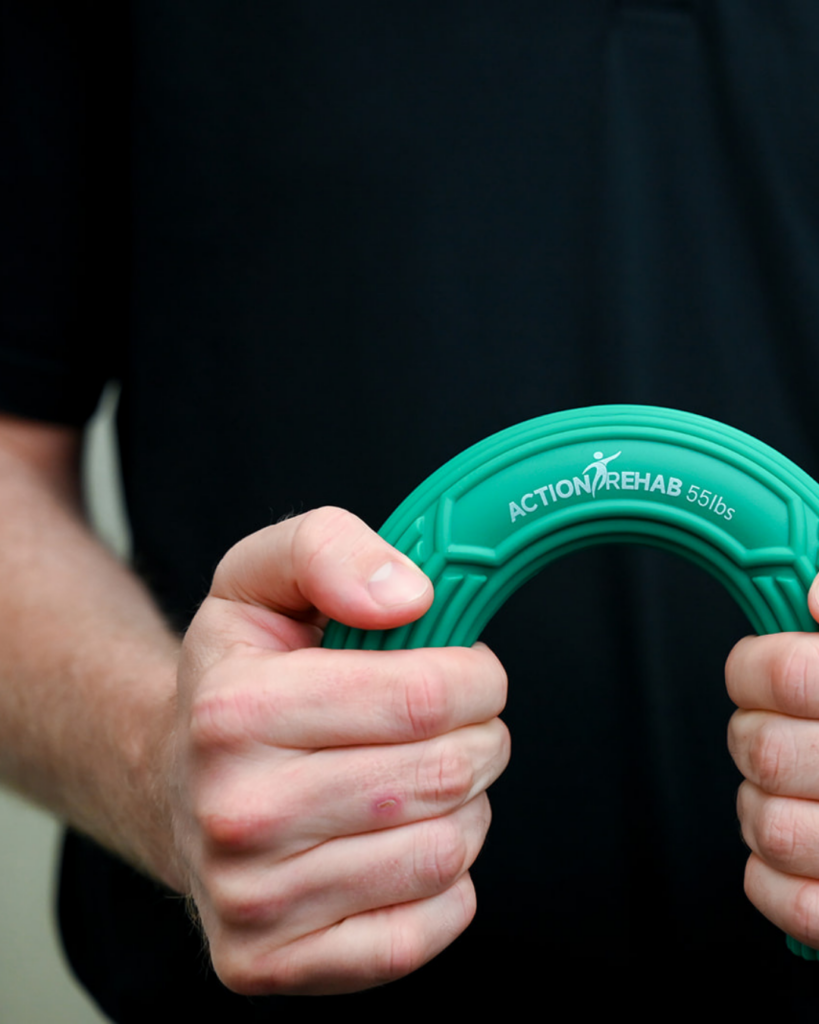
As tissues continue to heal, rehabilitation progresses to strengthening and functional retraining. Hand therapists carefully introduce graded strengthening exercises at the appropriate stage of recovery, ensuring healing structures are not overloaded too soon.
Depending on the surgery and the individual’s goals, this may include exercises to improve grip strength, pinch strength, dexterity, endurance, and coordination. Strengthening progresses from simple low-load exercises to tasks that replicate the demands of work, sport, hobbies, and daily life.
Just as importantly, we help patients regain confidence in using their hand. Through graded exposure to functional activities and ongoing guidance, patients can safely rebuild both capacity and trust in their hand’s ability to perform.
The Value of Patient Education
A significant part of our role is education.
Patients are often unsure about what is normal after surgery, how long recovery may take, or when they can safely return to work, sport, driving, or daily activities. Hand therapists have the opportunity to spend time answering these questions, setting realistic expectations, and guiding patients through what can sometimes be a lengthy rehabilitation journey.
When patients understand their injury, surgery, and rehabilitation plan, they are often better equipped to actively participate in their recovery, leading to greater confidence and adherence to therapy.
This focus on education is supported by the Australian Commission on Safety and Quality in Health Care, which highlights the important role health literacy plays in helping patients understand information, make informed decisions, and actively participate in their healthcare (Australian Commission on Safety and Quality in Health Care, 2014).
Monitoring Recovery and Preventing Complications
Beyond exercises and splints, we monitor for complications such as wound concerns, excessive stiffness, scar adhesions, nerve symptoms, tendon issues, or Complex Regional Pain Syndrome (CRPS). Regular communication with surgeons and GPs allows concerns to be addressed promptly and rehabilitation plans to be adjusted when needed.
A Team Approach to Better Outcomes
Successful post-operative outcomes are rarely the result of surgery alone. They are the result of effective collaboration between the patient, surgeon, GP, and hand therapist.
The Hands Physio provides post-operative hand therapy services across Sydney, supporting patients from Drummoyne, Strathfield, Bella Vista, Roseville and surrounding suburbs. We work closely with GPs, surgeons and patients throughout the rehabilitation process to support safe recovery following hand and upper limb surgery.
By combining surgical expertise with ongoing rehabilitation, education, monitoring, and support, we can help patients achieve the best possible outcome and return to the activities that are important to them.
FAQs
How soon should I see a hand therapist after surgery?
Many patients are referred within days of surgery, depending on the procedure performed and their surgeon’s recommendations.
Do I need hand therapy after hand surgery?
Some procedures require structured rehabilitation to help protect healing tissues, restore movement and support return to everyday activities.
How long does recovery after hand surgery take?
Recovery times vary depending on the procedure, injury severity and individual healing factors. Your treating team can provide guidance specific to your circumstances.
Can hand therapy help with stiffness after surgery?
Hand therapy may assist with restoring movement, managing swelling, scar care and improving hand function as recovery progresses.
References
Australian Commission on Safety and Quality in Health Care. (2014). National statement on health literacy: Taking action to improve safety and quality. Australian Commission on Safety and Quality in Health Care.

Laura Race
Laura Race, experienced Occupational Therapist treating the hand & upper limb at Action Rehab The Hands Physio in Sydney. Thumb arthritis, elbow pain, wrist fractures and more, Laura is available for appointments at our Drummoyne, Roseville and Strathfield clinics to help get you back to doing what you love.
Tags : action rehabcarpal tunnel releasecarpal tunnel syndromehand injuryhand surgeryhand therapyhand therapy after surgerynerve repairpost operative carepost-operative hand therapyrehabilitation after hand surgeryreturn to sport after hand surgeryreturn to work after hand surgerysurgerytendon repairwrist injurywrist surgery
Comments are closed
Recent Posts
- Post-Operative Care: The Role of Hand Therapy in Recovery
- Dislocated Your Thumb? How Hand Therapy Can Help You Recover Faster
- Preventing and Treating Finger Injuries in Basketball: What You Need to Know
- Holiday Survival Guide for Parents: Preventing Hand Injuries While Still Letting Kids Have Fun
- Your Guide to Keeping Your Hands Safe from Mishaps This Christmas
Recent Comments
No comments to show.